




Description

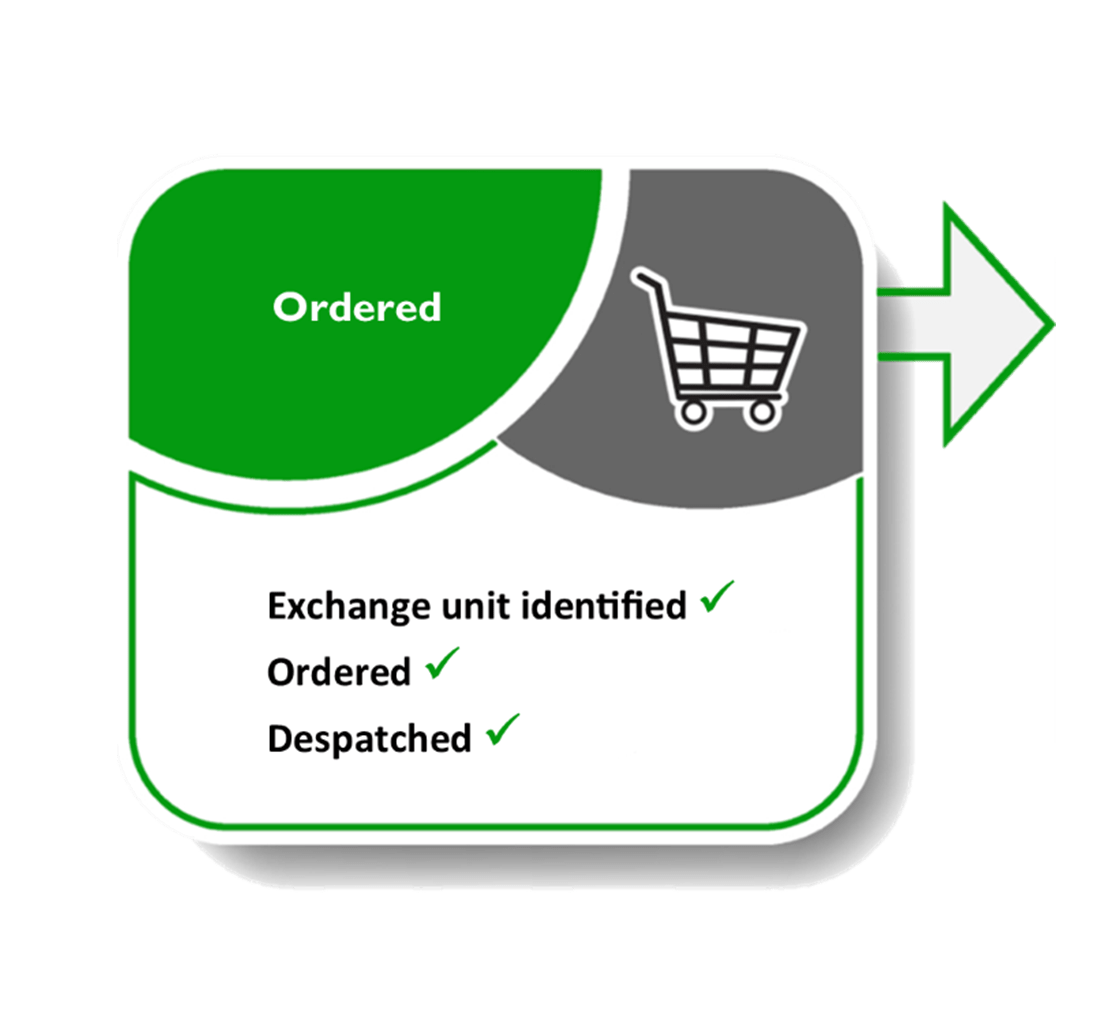
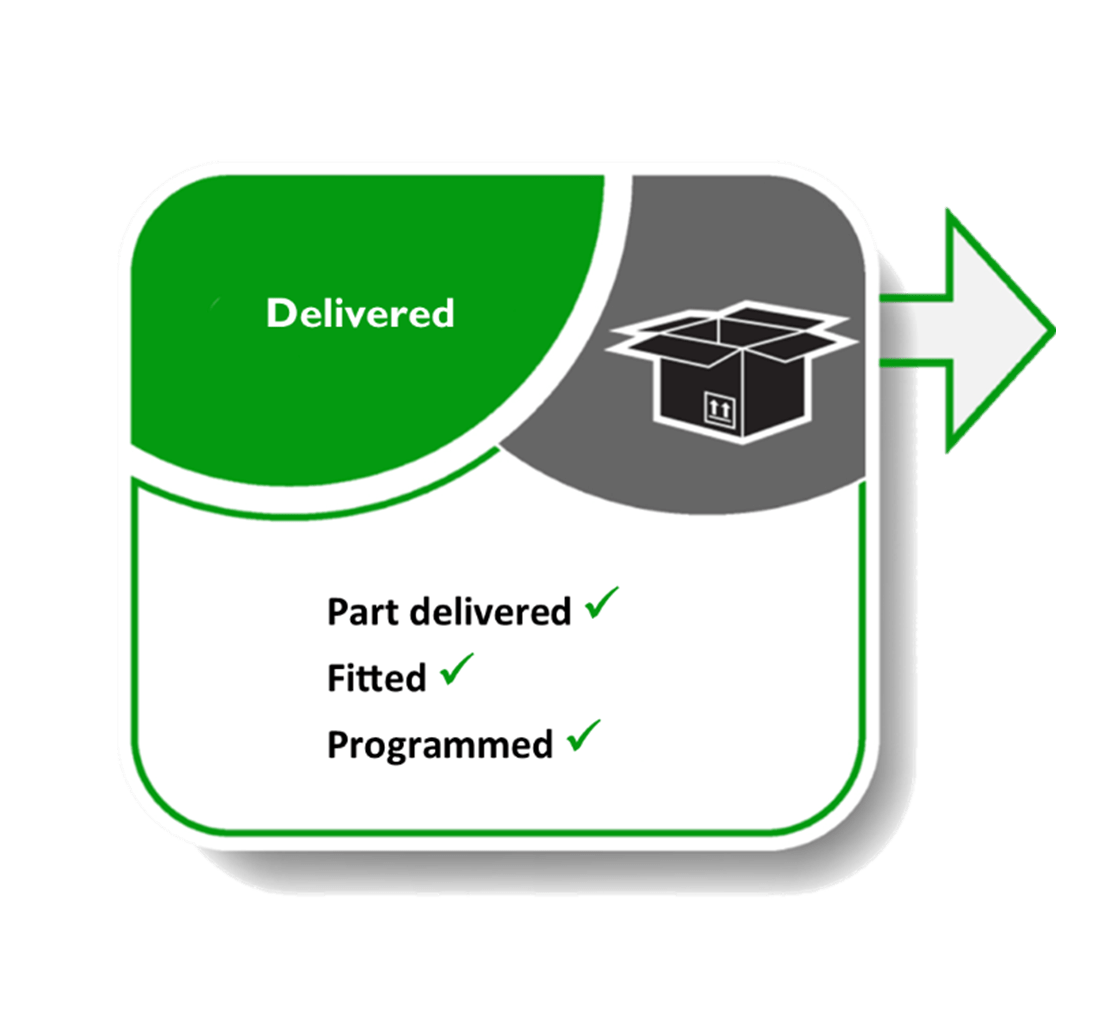
Purchase an Exchange Mercedes MP4 ACM2.1 from CV Electronics and look forward to Saving Time, Money and helping towards Saving the Environment.
Order Today, back on the Road Tomorrow !
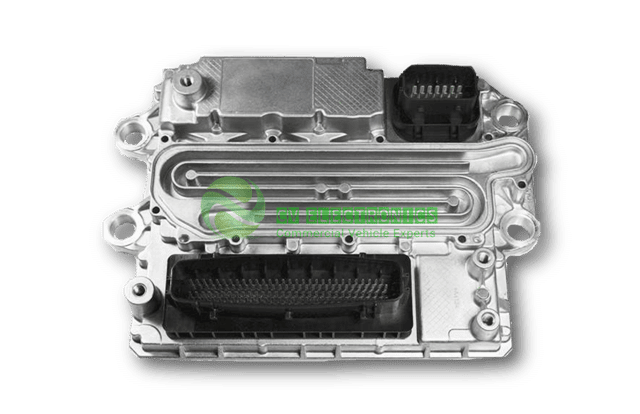
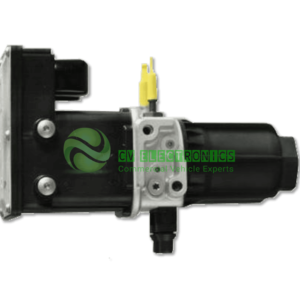
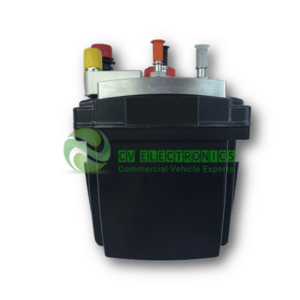
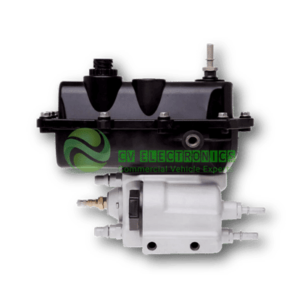
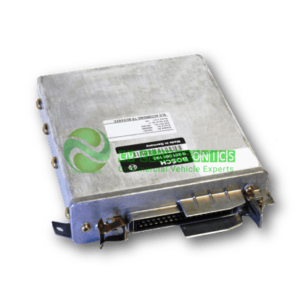
Exchange Mercedes ACM2.1 A 000 446 48 54 A0004464854
CV Part No. X-MEEC02.1
Exchange unit needs coding to your vehicle using MB Star
CV Electronics The Premier Commercial Vehicle Electronics Repairer
** This part requires coding to the vehicle. Consequently you may need an Auto Electrician with MB Star **
Exchange Details:
-
Exchange price £895 includes a £200.00 – Surcharge refundable of course
-
Surcharges are refundable upon return of a good core unit matching the part number purchased within 10 days
-
Priority Next Working Day Delivery
-
Decisions on refund of surcharges are dependent on the core unit been repairable
-
Consequently as a result the refund may not be the full £200.00 nevertheless we will of course try our best to make it 100%
-
Return carriage is provided for the core unit using the UPS Label supplied with the exchange unit
Benefits of purchasing an Exchange unit from CV Electronics:
-
-
Peace of mind and a 24 months warranty
-
Enjoy large cost Savings
-
Reducing Vehicle of road time
-
Naturally environmental savings, increasing sustainability and reducing landfill waste
-